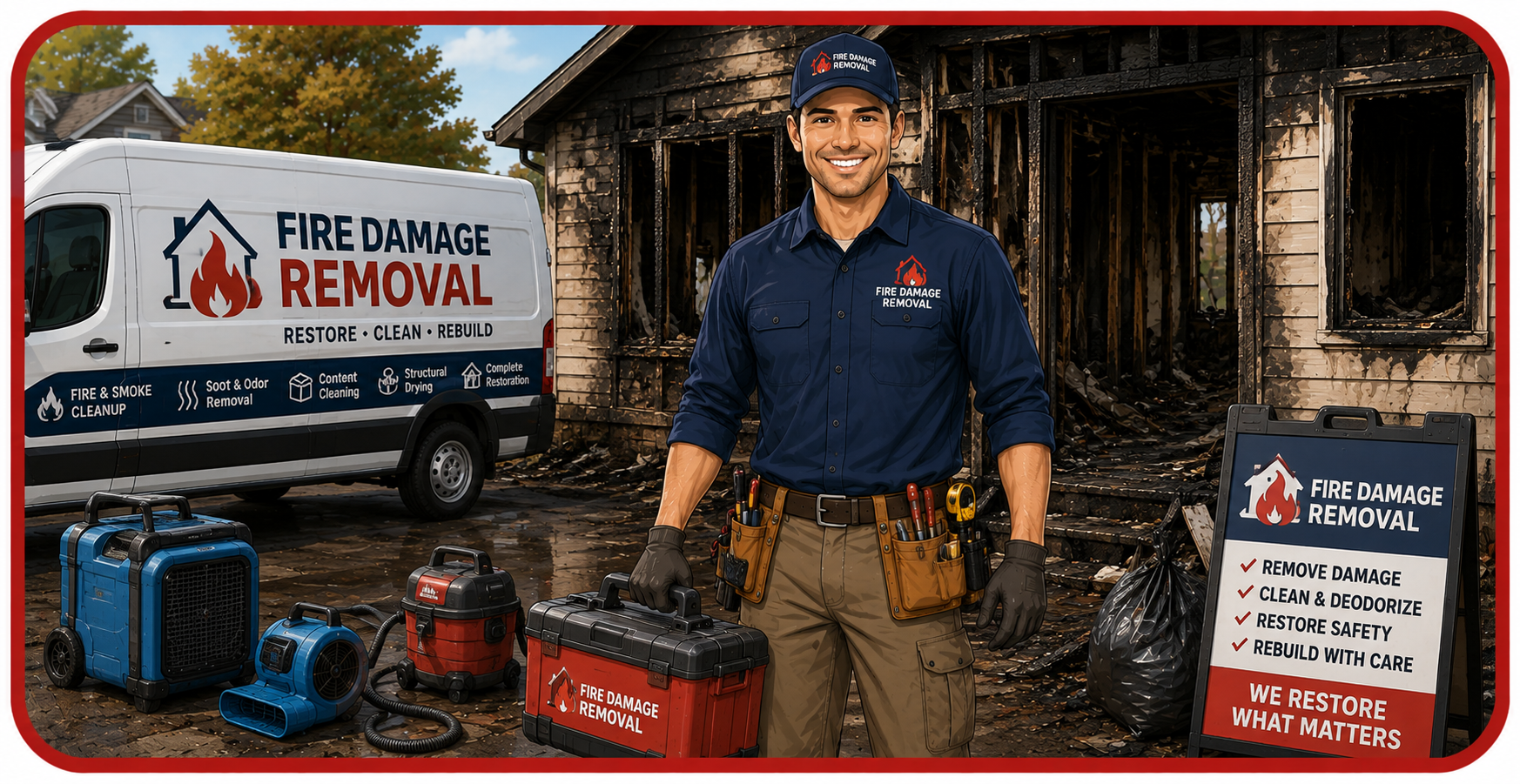
When fire tears through your property, the clock starts immediately. Fire Damage Removal deploys IICRC-certified fire damage specialists across all 50 states, day and night, with no waiting and no excuses.
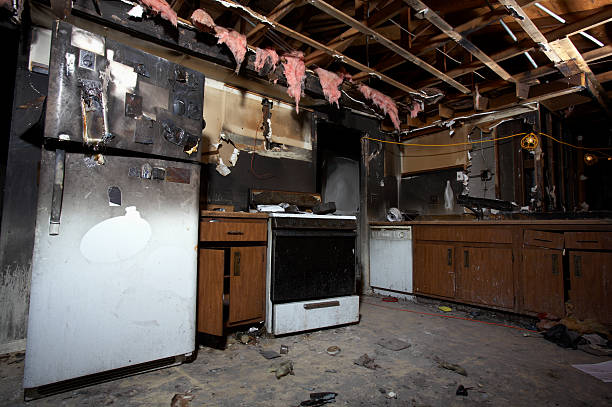
At 3am, when smoke is still in the air and a family has nowhere to turn, our people are already en route.
That promise is not a marketing line. It is what we have built our entire organization around: people who train relentlessly, technology that routes them precisely, and a commitment to answer every call no matter the hour or the zip code.
Every technician who wears the Fire Damage Removal badge has earned it through hundreds of hours of hands-on certification training, not a weekend workshop. We hold the standard others claim to meet.
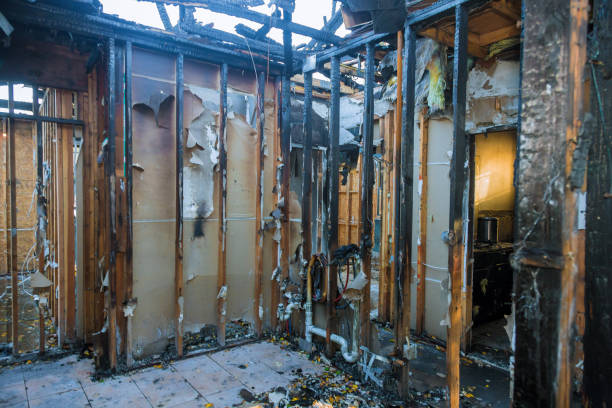
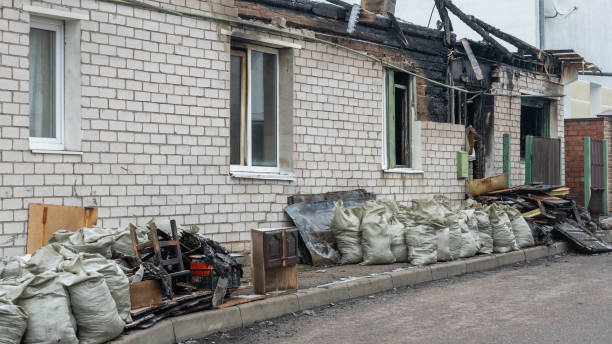
Picture the scene: it is past midnight, a kitchen fire has ripped through the cabinets and ceiling, the fire department has cleared the scene, and a family is standing in the driveway holding each other. That is the moment Fire Damage Removal was built for. Not the marketing brochure version of restoration. The real version, where stress is high, information is scarce, and people need someone to take charge. Our founders built this company after seeing families wait hours, even days, for a crew to show up. They decided the industry needed to operate differently, with technicians who are staged regionally, dispatched from a staffed operations center, and trained to walk into chaos and bring order.
Every technician employed by Fire Damage Removal goes through a two-phase onboarding process before touching a single customer job. Phase one covers the technical certifications: IICRC standards for fire and smoke restoration, water extraction protocols (because most fire scenes carry significant water damage from suppression efforts), structural assessment, and air quality management. Phase two is field apprenticeship under a senior crew lead on live jobs. Only after passing both phases does a technician go on independent dispatch. This is not how most restoration companies operate, and that distinction shows up in the quality of the final result.
Our dispatch network spans all 50 states, with regional crew hubs positioned to keep response times under the 60-minute mark in most metropolitan and suburban areas. When you call +1-866-484-1409, you are not leaving a message with an answering service. You are speaking directly to a trained dispatch coordinator who will take your address, assess the urgency of the situation, and push a crew notification to the nearest available team immediately. That coordinator stays on file with your job through completion, providing a single point of contact throughout the process.
One of the most consequential parts of our service is insurance claim navigation. The documentation required by insurance carriers after a fire is extensive: photographs, moisture readings, air quality reports, materials inventories, and written damage assessments. We produce all of that documentation as a standard part of every job, formatted precisely the way adjusters need it. Our crews have worked with every major carrier operating in the country. The result is faster approvals, fewer disputes, and less out-of-pocket cost for our customers. We have seen first-hand what happens when restoration companies leave documentation to the customer. Families lose money they should not have to spend.
When you bring Fire Damage Removal in, you get a restoration company that works for you at every stage: immediate stabilization of the structure, systematic smoke and soot removal, odor neutralization down to the molecular level, water extraction if needed, and a final air-quality clearance test before we sign off. We do not consider a job complete because the visible damage is gone. We consider it complete when your property is safe to inhabit and your insurance company has everything they need. That is the Fire Damage Removal standard, and it is the same standard we hold in every state we serve.
Three core service areas cover every fire damage scenario, whether you are protecting a family home, managing a commercial property, or dealing with the immediate aftermath of a structure fire.
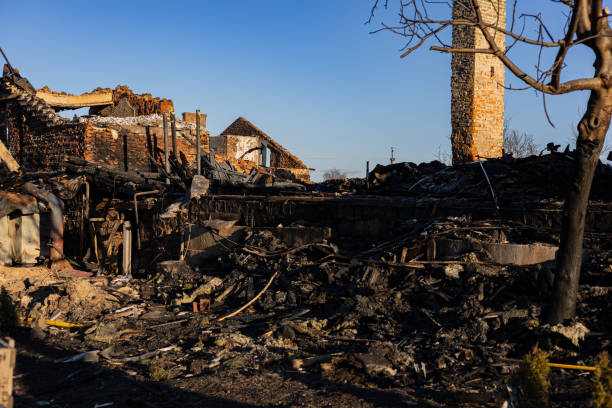
The first hour after a fire is, in many ways, the most critical for the long-term outcome of restoration. Secondary damage accelerates rapidly: soot particles embed into porous surfaces within minutes, acidic byproducts begin corroding metals and compromising finishes, and water from suppression efforts starts promoting mold growth at a cellular level. When you call Fire Damage Removal, the clock we are racing is not just yours. It is the chemistry of destruction that begins the moment flames are out.
Our dispatch coordinators do not wait for a full damage report before routing a crew. The moment your address is entered and an emergency is confirmed, the nearest available team receives their deployment notification. Crews arrive in fully stocked vehicles carrying air scrubbers, industrial dehumidifiers, hydroxyl generators for odor control, thermal imaging cameras for hidden moisture detection, and a complete suite of structural assessment tools. Nothing is borrowed from a warehouse after the fact. Everything necessary is on the truck.
Site safety is the first order of business on arrival. Before any equipment goes inside, the lead technician conducts a structural integrity walk, checks for compromised electrical systems and potential gas leaks, and coordinates with any remaining emergency personnel on scene. Safety clearance is documented before anyone enters the structure. Then comes the rapid assessment: every affected room is catalogued, photographed, and moisture-mapped. This initial documentation serves double duty. It protects the customer's insurance claim and gives the crew a prioritized remediation roadmap so nothing is missed and no time is wasted.
Water damage from firefighting is often underestimated by property owners. It is common for suppression water to saturate flooring, subfloor, wall cavities, and insulation even in rooms that were never directly affected by flame. Our crews extract standing water, deploy drying equipment, and begin the moisture-elimination process in parallel with smoke and soot treatment. Addressing both simultaneously reduces total job time and prevents mold colonies from establishing during the days it would otherwise take to sequence those two phases separately.
Call for Emergency Dispatch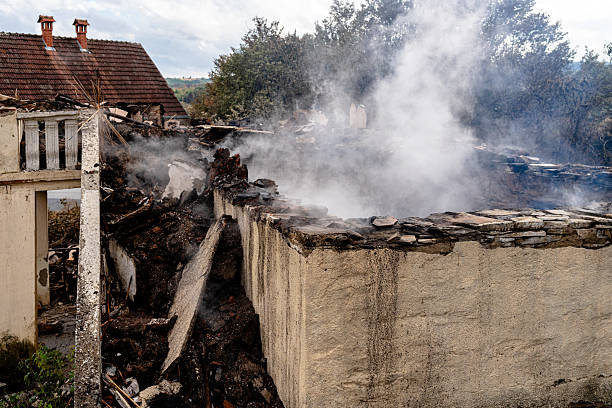
Every family going through fire damage removal at their home faces a uniquely stressful combination of emotional weight and practical uncertainty. What can be saved? What needs to go? How long will this take? Is it safe to be here? Our residential crews are trained not just in restoration science but in family communication, because the answers to those questions matter as much as the work itself. When we arrive at your home in , the first conversation we have is with you, not just about the structure but about your priorities, your timeline, and your living situation during the process.
Residential restoration at Fire Damage Removal follows a room-by-room assessment protocol that produces a clear written inventory of affected materials within the first few hours on site. Every item in the home that suffered smoke, soot, or water exposure gets categorized: salvageable with professional cleaning, salvageable with replacement of specific components, or beyond cost-effective restoration. That inventory becomes the foundation of your insurance claim and your project plan. Nothing is thrown away without documentation, and nothing is left in ambiguous status.
For items that can be saved, the treatment process depends on the material type. Fabrics, upholstery, and soft goods go through ozone treatment and specialized deodorization. Hard surfaces receive dry sponge and wet chemical cleaning tailored to the specific soot chemistry present, because a wood surface and a painted wall surface respond very differently to the same product. Structural components like framing, subfloor, and drywall that have crossed the threshold of safe restoration are removed and documented for insurance. Your home is secured against weather and unauthorized entry throughout the process using board-up and temporary barrier materials if any structural openings are created.
Families who cannot remain in the home during restoration often need help understanding their options for temporary housing. While Fire Damage Removal does not operate a housing service directly, our project coordinators have deep familiarity with the insurance-covered housing process and will provide the documentation your carrier needs to approve temporary living expenses. We also work around your schedule for access, understanding that your life has not stopped just because your home is under restoration. Communication is proactive throughout: you receive updates at key milestones, not just when we need something from you.
Discuss Your Home Restoration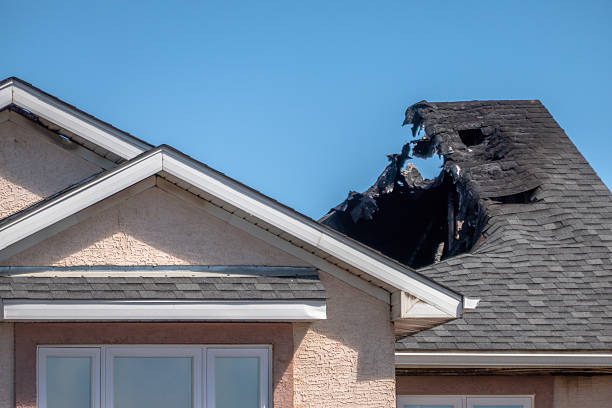
Commercial fire damage carries costs that residential jobs do not: operational downtime, employee displacement, liability exposure, inventory loss, and the compounding risk that every additional day offline represents in lost revenue and customer trust. Our commercial restoration teams operate with that context on the table from the first call. Speed matters differently on a commercial job. The methodology is the same rigorous IICRC standard, but the scheduling approach, crew sizing, and documentation protocols are built around the specific pressures of a business environment.
Large commercial properties, multi-unit residential buildings, warehouses, restaurants, and retail facilities each present a distinct restoration challenge. We staff our commercial jobs with larger crews and bring in equipment scaled to the square footage, not a residential kit stretched to fit. Industrial air scrubbers, commercial-grade extraction units, and large-capacity drying equipment allow us to move through a multi-thousand-square-foot space at a pace that minimizes the business disruption timeline. Crew leads on commercial jobs hold additional certifications in large-loss project management beyond the standard IICRC requirements.
Many commercial operators are surprised to learn that fire damage restoration can be staged to allow partial operation of undamaged areas while remediation proceeds in affected zones. Our commercial project managers specialize in creating containment plans that seal off active restoration areas while maintaining safe access to operational spaces. The plan is developed in coordination with your facilities team and, where required, with the building's fire marshal or occupancy authority. Liability documentation produced during this process protects your business in any subsequent legal or insurance disputes related to the event.
After-hours scheduling is standard practice on commercial jobs where daytime operations must continue. Our crews work evenings, overnight, and weekends to keep restoration progress moving without forcing you to choose between staying open and getting your property fixed. The project timeline and daily progress reports are shared with your designated point of contact, keeping your management team, insurance adjuster, and any involved contractors on the same page throughout. Fire Damage Removal has completed commercial restoration projects across every major industry vertical, from food service to healthcare to light industrial, and the documentation we produce meets the standards required by each.
Request Commercial AssessmentFrom transparent pricing to the technicians who show up at your door, every element of how we operate was designed to make a terrible situation easier to get through.
You receive a written estimate before any work begins. Our pricing does not change once the job starts. No hidden line items, no escalating charges based on what we find. The number we give you is the number you pay.
Our regional crew network is positioned to reach most addresses within one hour of dispatch. The operations center routes based on real-time crew location, not territory maps that ignore traffic and distance.
Wherever you are in the country, Fire Damage Removal has a credentialed crew available. This is not a directory referral service. These are our own technicians, trained to our own standards, on our own payroll.
We handle the documentation, adjuster coordination, and billing directly with your carrier. Customers who use our insurance navigation service report significantly faster claim approvals and fewer out-of-pocket costs.
Every field technician holds a current IICRC certification specific to fire and smoke restoration. Credentials are verified annually. You will never find an uncertified crew member on a Fire Damage Removal job site.
If anything does not meet the standards outlined in your written project plan, we return and correct it at no additional charge. That commitment is in writing before the first day of work begins.
A clear, repeatable five-step process that keeps you informed at every stage and ensures nothing is skipped on the path to a fully restored property.
Speak directly with a trained coordinator who takes your address, confirms the situation, and notifies the nearest crew immediately. Available every hour of every day.
Your certified crew arrives within the 60-minute window fully equipped. The lead technician introduces the team and outlines the immediate steps so you know what to expect.
A room-by-room structural and materials assessment is completed with thermal imaging, moisture mapping, and written documentation provided to you and your insurance carrier.
Smoke, soot, water, and odor removal proceeds systematically using certified equipment and IICRC-standard techniques. Progress is tracked and reported daily on larger jobs.
Air quality tests, moisture verification, and a full walkthrough confirm that every standard has been met. You receive the signed clearance documentation for your records and insurance file.
My garage and part of the kitchen caught fire on a Tuesday evening. By Wednesday morning, the Fire Damage Removal crew had already extracted the standing water, set up air scrubbers, and given me a full written damage assessment. My insurance adjuster told me it was the most organized documentation package she had seen all year. I did not have to chase anyone for updates. They called me. That kind of professionalism when you are in that kind of situation means everything.
I called at 2am after a fire in the back bedroom. I fully expected to get a recording. Instead, someone picked up immediately, asked the right questions, and told me a crew would be there within the hour. They were there in 48 minutes. That was the first moment I actually felt like things were going to be okay.
Our restaurant had an equipment fire that shut us down on a Friday night. Fire Damage Removal had crews there through the weekend and we reopened Monday morning. Losing a Friday and a Saturday was painful enough. Without them, we would have been dark for weeks.
The smoke smell after a fire is something you cannot ignore. Three other companies sprayed some product and called it done. Fire Damage Removal used a hydroxyl generator and thermal fogging and the smell was completely gone. There is a difference between masking an odor and eliminating it.
Working with our insurance company after the fire was something I was dreading. The Fire Damage Removal team handled all of that communication directly. My adjuster approved our claim in full without a single dispute. I would not have known how to produce that kind of documentation on my own.
I own a four-unit rental building and a fire in one unit spread smoke damage through the common areas. Fire Damage Removal coordinated around my tenants' schedules, kept the undamaged units occupied throughout, and finished the whole job faster than my property manager thought was possible.
These questions come up on nearly every call. We have answered them honestly below, because you deserve clear information before deciding who to call.
Response time is one of the first things people want to know, and understandably so. In most areas of USA, our dispatch network targets a 60-minute or better arrival window from the time your call is confirmed. Actual travel time depends on crew position at the time of dispatch and current traffic conditions, but our regional hub structure is specifically designed to keep that window achievable across both urban and suburban locations. Rural addresses may require slightly more time, and our dispatch coordinator will give you an honest estimate when you call.
The concern about costs spiraling after a company is already inside your home is completely legitimate, and it is one we address directly with our flat-rate estimate policy. After the damage assessment on arrival, you receive a written estimate that covers the full scope of agreed work. That price does not increase based on what we find during the job. If we identify damage that falls outside the original scope and we believe it needs to be addressed, we present a written addendum for your approval before proceeding. You are never presented with a higher invoice than what you agreed to.
People often assume that 24/7 availability means a phone line is staffed but crews are not actually deployable until morning. That is not how Fire Damage Removal operates. Our full emergency response, including live dispatch, crew deployment, structural board-up, water extraction, air quality equipment setup, and site stabilization, is available at any hour on any day of the year. The only exception is situations where active fire or active emergency personnel presence prevents entry. Once authorities clear the scene, we can be there.
Insurance coverage for fire damage restoration is a common source of anxiety, largely because the documentation and claims process can feel opaque. In most standard homeowners and commercial property policies, fire damage restoration performed by a licensed, certified company is a covered loss. The key is in the documentation. Fire Damage Removal produces the complete damage inventory, photographic evidence, moisture and air quality data, and written reports that insurance adjusters require. We work with every major carrier in the country. Our customers consistently report full or near-full claim approvals when they use our documentation package. We recommend you contact your carrier to confirm your specific coverage details, and we are happy to speak directly with your adjuster on your behalf.
The single most important thing to understand is that the first hours after a fire are when the most preventable damage occurs. Soot begins chemically bonding to surfaces, water from suppression starts enabling mold growth, and acidic combustion residue begins corroding metals and deteriorating finishes. The time between the fire marshal clearing your property and a restoration crew arriving is time when damage is worsening. The first step is to call +1-866-484-1409 as soon as the scene is cleared. Do not attempt to clean anything yourself before the crew arrives, as improper cleaning techniques can permanently embed soot into materials that could otherwise have been saved. Contact your insurance carrier to open a claim once a crew is dispatched.
Yes. Our crews and project managers are trained to handle both property types, and we maintain separate commercial and residential crew leads who specialize in each. The distinction matters because commercial jobs require additional certifications in large-loss management, specific liability documentation protocols, and coordination with facilities managers that differs substantially from the family communication model used on residential jobs. If you have a mixed-use property, we bring the appropriate lead for the primary use type and coordinate across both.
Many property owners underestimate the extent of fire-related damage because so much of it is not visible to the naked eye. If you can smell smoke anywhere in the building, you have airborne particulates in spaces beyond the burn area. If any room had active flames, the surrounding rooms almost certainly have soot on surfaces and in the HVAC system. If fire crews used water suppression, you have moisture in places that a mop cannot reach. Any combination of these conditions warrants professional assessment. Our initial assessment is provided as part of the job cost, not as a separate charge, so the barrier to getting a professional evaluation is low. If the damage turns out to be minor and you do not want to proceed, you will at least have a documented baseline for your own records.
All field technicians carry current IICRC certification with specific endorsements in fire and smoke restoration, water damage restoration, and applied structural drying. Lead technicians on commercial jobs hold additional large-loss project management credentials. Certification status is verified annually, and any technician whose credentials lapse is removed from the field roster until renewed. We carry proof of current certifications with us and can provide copies upon request. The IICRC standard is the recognized industry benchmark for restoration work, and it is the standard your insurance carrier will expect to see applied on any covered claim.